
01
Peer Support & Consultation
Peer Support & Consultation
Lived-experience-informed support, problem-solving, resource navigation, and collaborative thinking.
Decolonial Community Design Lab
Gryffin Core works at the intersections of disability justice, neurodivergence, accessibility, equity, and collective liberation, helping people, communities, and values-aligned organizations build more accessible, collaborative, and sustainable ways of working and belonging.
Founded by Jax Bayne, a disabled, neuroqueer Latinx community systems designer, educator, facilitator, and peer support specialist.
About
Gryffin Core is a decolonial community design lab founded by Jax Bayne, a disabled, neuroqueer Latinx community systems designer, educator, facilitator, and peer support specialist.
Our work includes accessibility and inclusion consulting, community and systems design, peer support and consultation, education and workshops, speaking and facilitation, and collaborative development of programs, resources, frameworks, and other community projects.
Gryffin Core is grounded in lived experience, critical analysis, practical tools, and a commitment to building with people rather than designing for them. We believe meaningful change happens when the people most affected by a system have meaningful power in shaping it.
Services
Lived-experience-informed support, problem-solving, resource navigation, and collaborative thinking.

Identifying barriers and developing more accessible practices, environments, programs, and communications.

Designing or improving community structures, programs, processes, and ways of working together.
Interactive learning on neurodiversity, disability justice, accessibility, equity, collective liberation, and related topics.
Guest talks, panels, trainings, discussions, and facilitated conversations.
Working alongside individuals, communities, and organizations to develop resources, curricula, programs, frameworks, or other projects aligned with shared goals.
Our Approach
Our work is grounded in lived experience, critical analysis, and practical tools. Instead of handing over a finished framework, we work alongside the people a system actually affects, so the change that comes out of it is usable, sustainable, and genuinely theirs. That means flexible pacing, plain language, access needs taken seriously, and room to disagree.
Start a ConversationProcess
Send a short note about who you are, what you are working on, and what kind of support you are looking for. No formal brief needed.
We meet for a relaxed conversation about your context, goals, constraints, and access needs, and whether working together makes sense.
You receive a plain-language outline of the work, the shape of our collaboration, timelines, and rates before anything is committed.
We work together through sessions, workshops, audits, or design work, with the people most affected involved in shaping decisions.
You get usable tools: recommendations, resources, curricula, frameworks, or documented practices your community can actually carry forward.
Optional check-ins, ongoing consultation, or continued collaboration as things change and new questions surface.
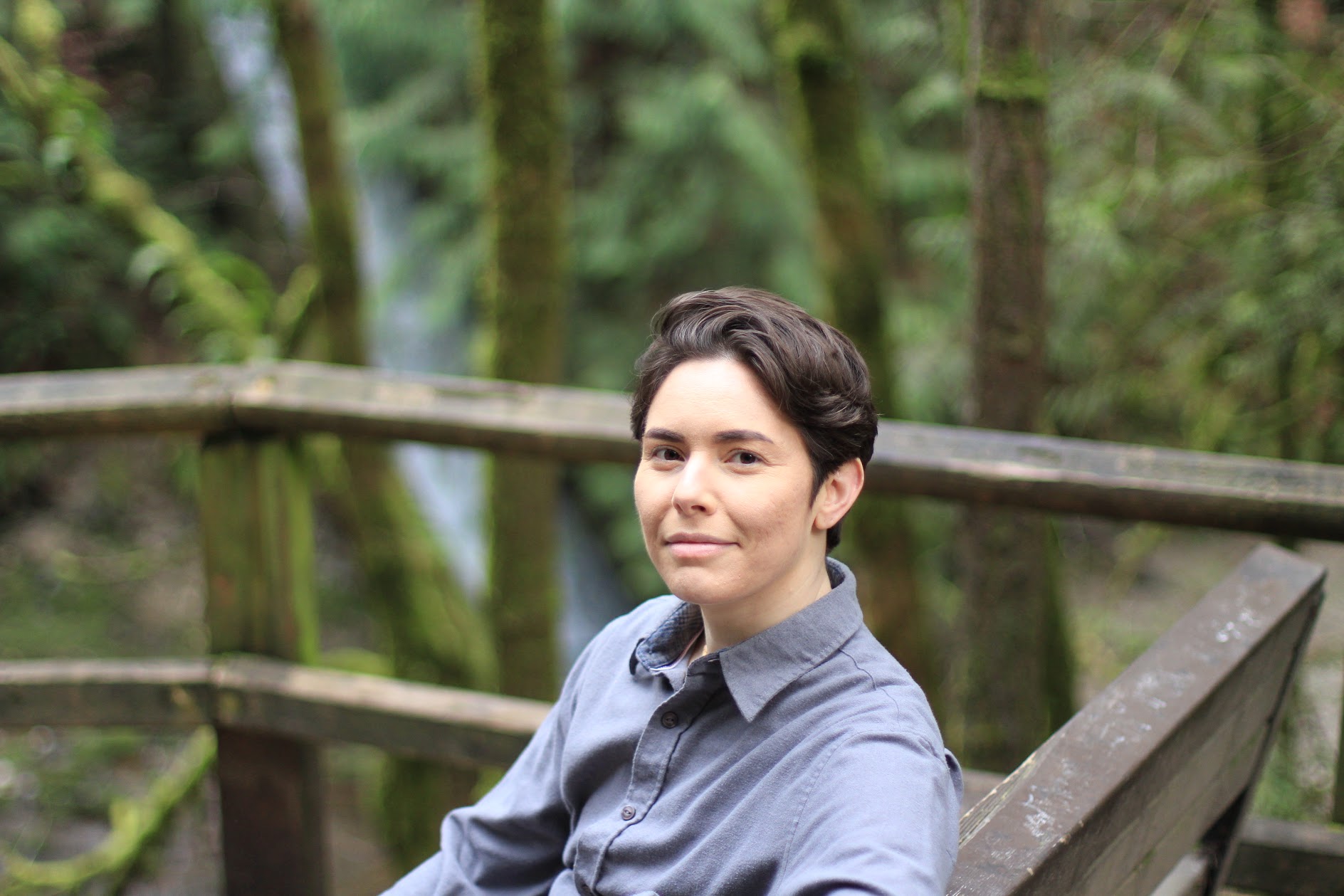
Founder
I'm a disabled, neuroqueer, Latinx collective liberationist, community systems designer, and peer support specialist working at the intersection of disability justice, neurodivergence, accessibility, equity, and collective liberation.
I work with neurodivergent and disabled people, queer and trans communities, educators, organizers, and values-aligned organizations through peer support, accessibility consulting, community and systems design, education, facilitation, and collaborative projects.
My work is grounded in lived experience, critical analysis, practical tools, and a belief that accessibility and liberation are things we build with people, not for them.
Connect on LinkedInWork
Infographics, slides, video, audio, and text created or co-created with communities and collaborators. More work is being gathered and organized.
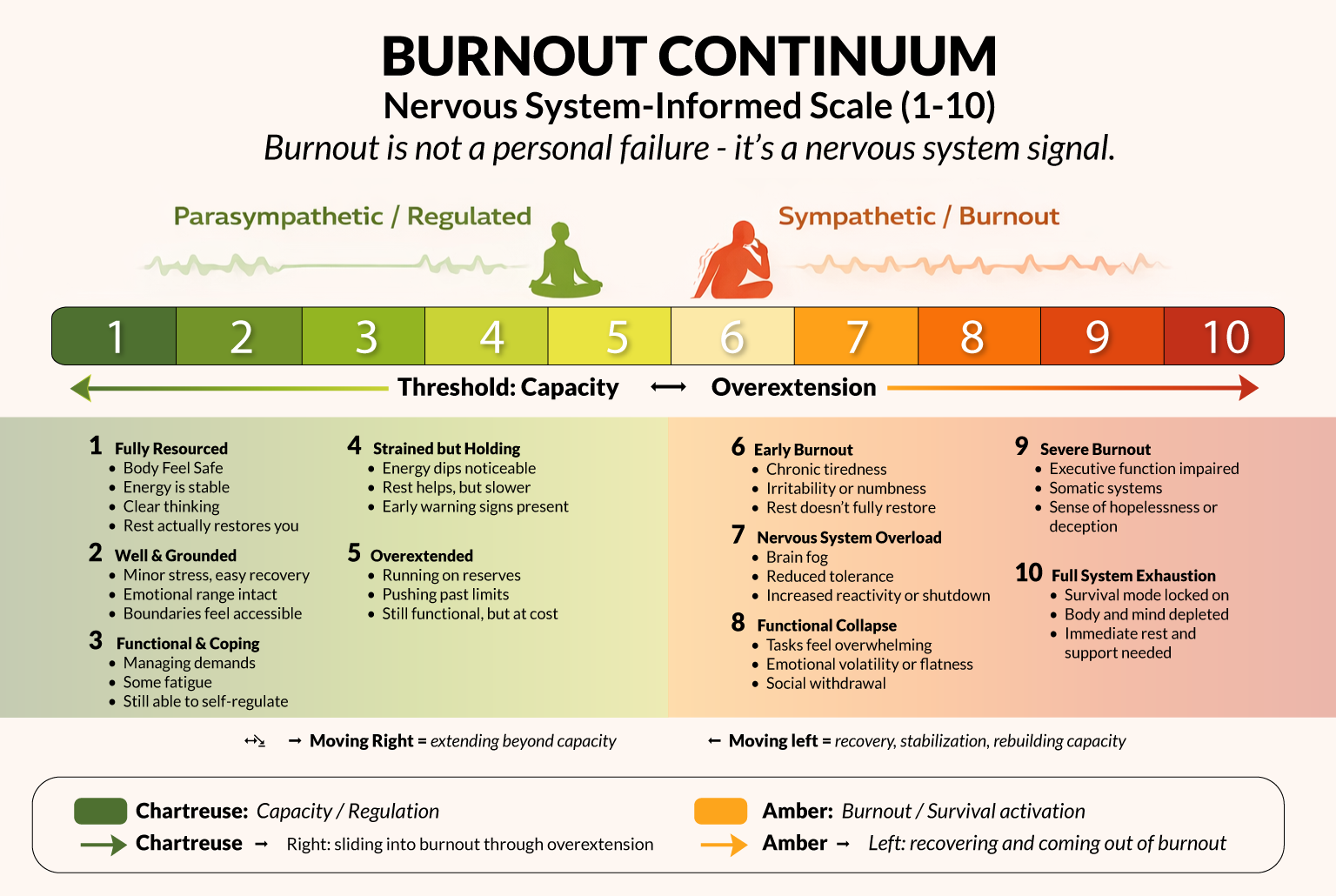
Nervous-system-informed scales, frameworks, and reference visuals created for community use.
Teaching materials on neurodiversity, accessibility, and collective liberation.
Recorded talks, panels, and short explainer pieces. More being gathered and organized.
Recorded conversations and audio resources from collaborative projects.
Guides, frameworks, and plain-language writing developed with communities.
Rates
Rates are set per engagement, based on scope, format, and the resources of the person or group involved. Sliding scale and reduced rates are available for individuals, mutual aid groups, and small community organizations. Ask, and we will find something workable.
Peer Support & Consultation
Accessibility & Inclusion Consulting
Community & Systems Design
Education & Workshops
Speaking & Facilitation
Collaborative Projects
Start with a free intro conversation. Tell us what you are working on and what support would help, and we will follow up with options, timelines, and a rate for your specific situation.
Access note: sessions can be adjusted for pacing, format, communication preferences, captioning, written follow-ups, and breaks. Peer support is not therapy, clinical care, or crisis services. If you need something we cannot offer, we will do our best to point you toward a better fit.
Testimonials
Notes from partners, collaborators, and hosts we have worked alongside on consultations, redesigns, workshops, and facilitation.
We came in with a vague sense that our intake process was pushing people away. Jax helped us map it, name what was actually happening, and rebuild it with the people using it. Our no-show rate dropped and, more importantly, people told us they felt respected.
The accessibility work was the least clinical, most human consulting we have ever had. Nothing was handed down to us. We ended up with plain-language documents, flexible meeting norms, and a team that finally understands why any of it matters.
Jax facilitated a two-day workshop for our educators and somehow made a hard conversation feel safe and energizing. Weeks later, staff were still quoting it back to each other. We have already booked a follow-up session.
FAQ
A few things people usually want to know before reaching out. If your question is not here, send it over — we would rather answer it directly.
Mostly neurodivergent and disabled communities, queer and trans groups, educators and schools, organizers and mutual aid networks, and small values-aligned nonprofits. If you are unsure whether you are a fit, ask — the answer is usually yes or a referral.
Most consultations, peer support, and working sessions happen remotely, which keeps things accessible and affordable. Workshops and facilitation can be delivered in person for groups able to cover travel, and hybrid formats are welcome.
It starts with a short intro conversation, usually within a week of your note. Single sessions can often be booked two to three weeks out; multi-day workshops and longer design engagements are typically scheduled four to eight weeks ahead.
Rates are set by capacity, not by need to prove anything. Grassroots groups, individuals, and unfunded projects pay at the lower end; funded organizations and institutions pay the full rate, which is what makes the lower end possible. Just say what you can work with in your first message.
Yes, and that is often the better use of the work. This can look like an accessibility review of something already running, joining a redesign mid-stream, or ongoing consultation while your team carries the project themselves.
Contact
Whether you have a clear project in mind or are still figuring out what you need, send a note. Tell us about your context, your goals, and any access needs, and we will take it from there.